Responsive Image

درباره ما

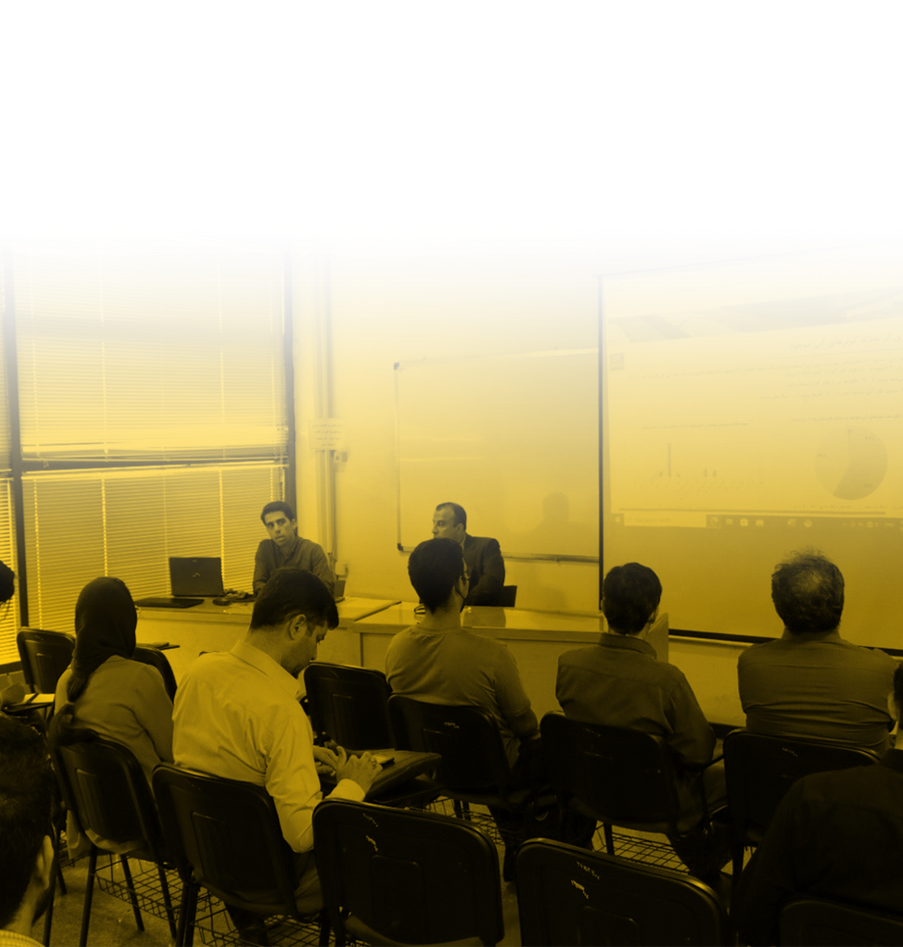
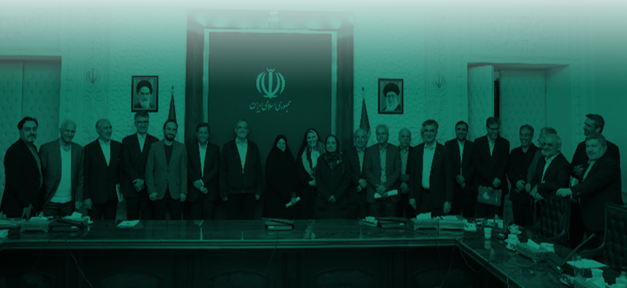
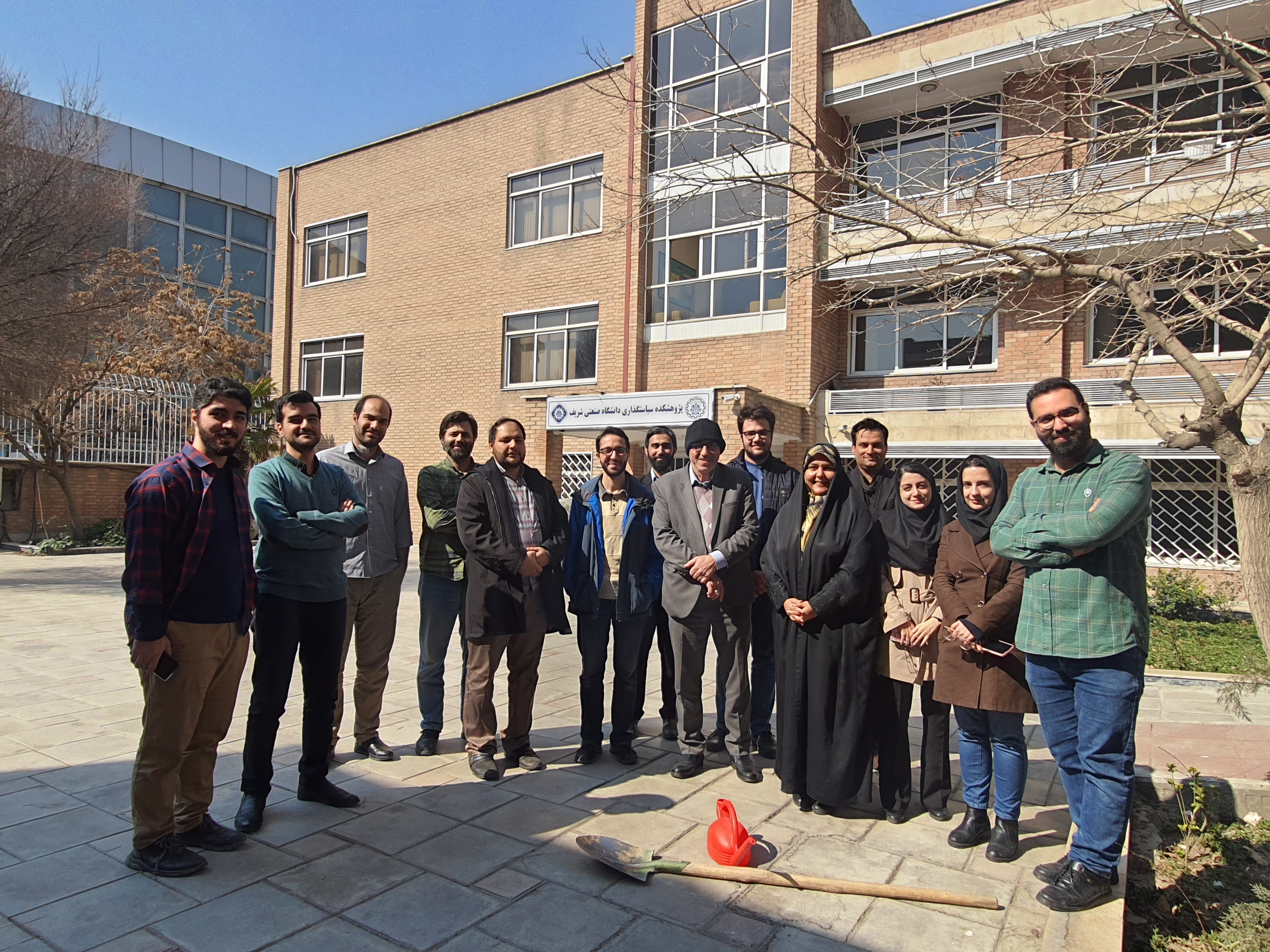
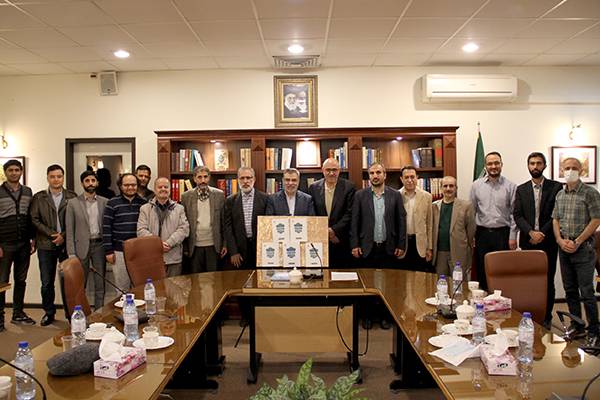
با وجود پیشرفت‌های علمی و فناورانه، همچنان برای بسیاری از نیازها و مسائل واقعی کشور پاسخ روشنی ارائه نشده است. این چالش‌ها به ماهیت بین رشته‌ای، پیچیدگی مسائل فراگیر و نبود راه حل واحد برای آن‌ها باز می‌گردد که امکان ارائه پاسخ در انزوای آزمایشگاه‌ها و دانشگاه‌ها یا اتاق‌های دربسته سیاستگذاران را غیر ممکن ساخته است. به منظور یافتن راه‌حلی برای پاسخ به این چالش، پژوهشکده سیاستگذاری دانشگاه صنعتی شریف در سال ۱۳۸۷ آغاز به کار نمود.

این مجموعه از طریق ایجاد فضایی برای مشارکت پژوهشگران، مدیران اجرایی، کارآفرینان، فعالان اجتماعی و سیاستگذاران در فرایند پژوهش، طراحی، آزمون عملی و ارزیابی، درصدد طراحی و پیشبرد الگوهای حل مسائل فراگیر جامعه می‌باشد. خروجی این فرایند ممکن است یک سازمان، موسسه و یا یک گروه داخلی ذیل پژوهشکده باشد که در طول دوره طراحی مفهومی اولیه، شکل گرفته و با همکاری عناصر اجرایی و مشارکت دی نفعان تکامل می‌یابد.

 پژوهشکده سیاست‌گذاری شریف


Responsive Image
Responsive Image
Responsive Image
Responsive Image
Responsive Image
Responsive Image
Responsive Image
مراکز  وابسته 

Responsive Image
5
اعضای هیئت علمی 
Responsive Image
6
مراکز وابسته
Responsive Image
38
مقاله فارسی
Responsive Image
65
مقاله بین‌المللی
Responsive Image
7
کنفرانس ملی

Responsive Image
Responsive Image
عنوان جدید
Responsive Image
Responsive Image
Responsive Image

Iran and COVID-19: An Alternative Crisis Management System Based On Bottom-Up Islamic Social Finance and Faith-Based Civic Engagement


Iran and COVID-19: An Alternative Crisis Management System Based On Bottom-Up Islamic Social Finance and Faith-Based Civic Engagement

چکیده

The COVID-19 pandemic can teach Islamic societies many lessons in terms of crisis management and revitalisation of their faith-based Islamic assets. This chapter conceptualises Iran’s case to draw upon its impressive citizen-centered collaborative crisis management, with Islamic leadership and bottom-up Islamic social finance at its core. In this model, with the directing role of leadership and discourse on the Islamic concepts of jihad, Infaq, holy defense, and martyrdom, the community was mobilised far from mere social financing, but also by civic engagement and faith-driven participation. Such an approach yields a more bottom-up Islamic social finance, stronger social bonds (Akhuwat), distributedness, fast responsiveness, and less information asymmetry in regards to targeting the
actual victims in a timely manner.


دانلود مقاله

برای دانلود مقاله، اینجا کلیک کنید.

Responsive Image

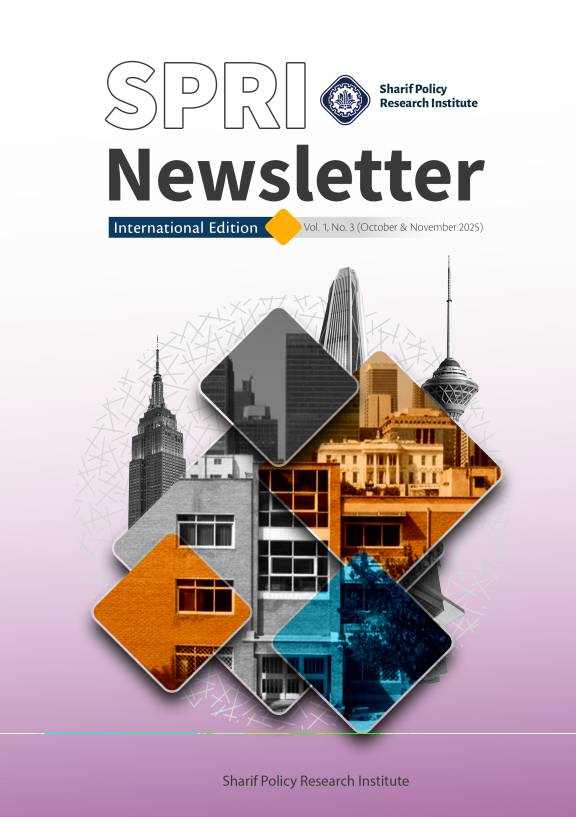
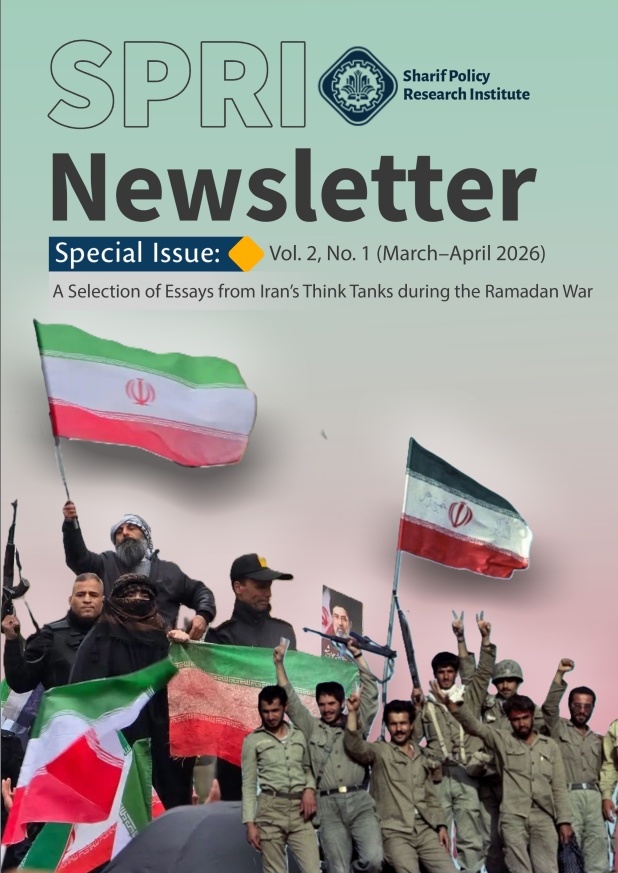
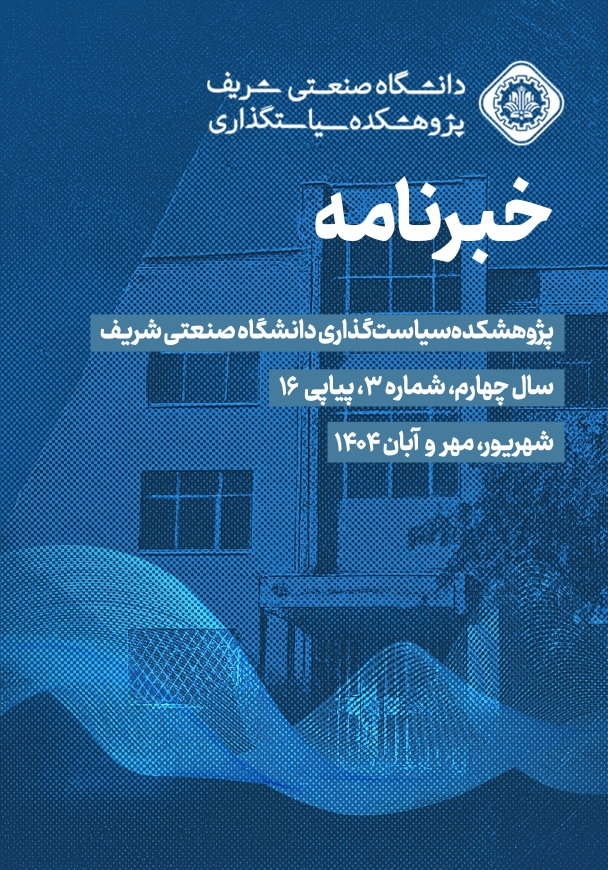
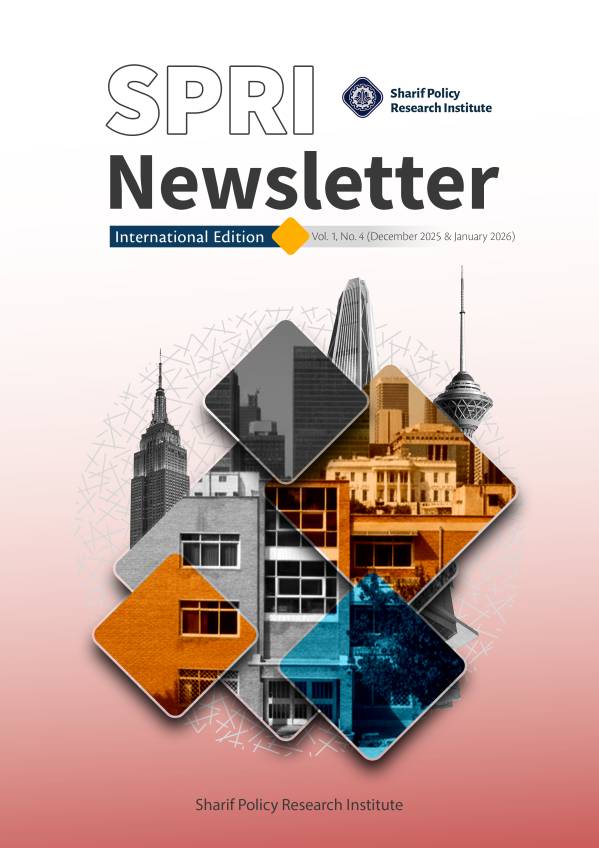
                خبرنامه  پژوهشکده سیاست‌گذاری دانشگاه صنعتی شریف

خبرنامه پژوهشکده سیاست‌گذاری دانشگاه صنعتی شریف شامل آخرین رویدادها، گزارش‌ها، یادداشت‌ها و مقالات است.

 لینک


Responsive Image
Responsive Image
Responsive Image