Responsive Image

درباره ما

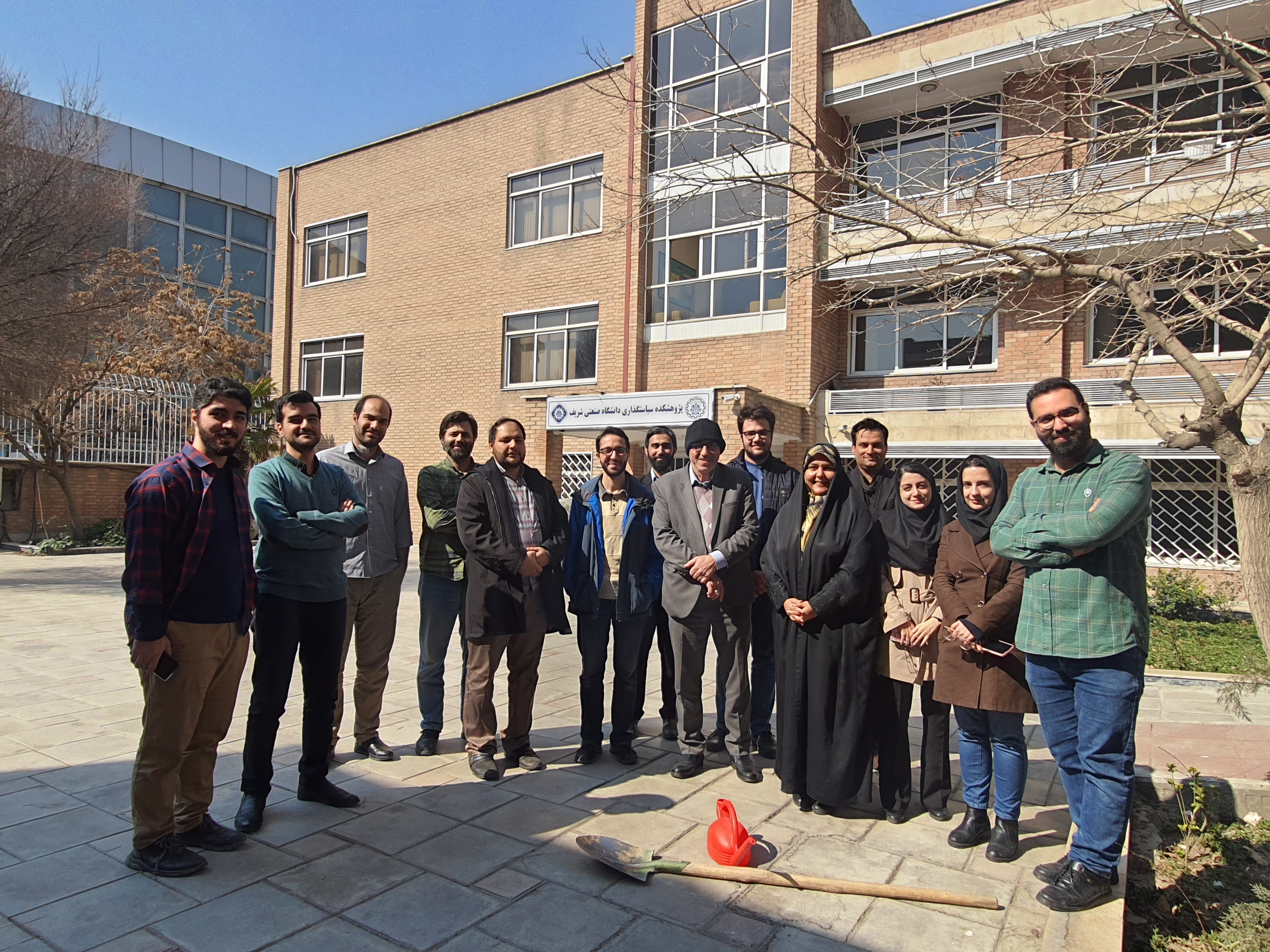
با وجود پیشرفت‌های علمی و فناورانه، همچنان برای بسیاری از نیازها و مسائل واقعی کشور پاسخ روشنی ارائه نشده است. این چالش‌ها به ماهیت بین رشته‌ای، پیچیدگی مسائل فراگیر و نبود راه حل واحد برای آن‌ها باز می‌گردد که امکان ارائه پاسخ در انزوای آزمایشگاه‌ها و دانشگاه‌ها یا اتاق‌های دربسته سیاستگذاران را غیر ممکن ساخته است. به منظور یافتن راه‌حلی برای پاسخ به این چالش، پژوهشکده سیاستگذاری دانشگاه صنعتی شریف در سال ۱۳۸۷ آغاز به کار نمود.

این مجموعه از طریق ایجاد فضایی برای مشارکت پژوهشگران، مدیران اجرایی، کارآفرینان، فعالان اجتماعی و سیاستگذاران در فرایند پژوهش، طراحی، آزمون عملی و ارزیابی، درصدد طراحی و پیشبرد الگوهای حل مسائل فراگیر جامعه می‌باشد. خروجی این فرایند ممکن است یک سازمان، موسسه و یا یک گروه داخلی ذیل پژوهشکده باشد که در طول دوره طراحی مفهومی اولیه، شکل گرفته و با همکاری عناصر اجرایی و مشارکت دی نفعان تکامل می‌یابد.

 پژوهشکده سیاست‌گذاری شریف


Responsive Image
Responsive Image
Responsive Image
Responsive Image
Responsive Image
Responsive Image
Responsive Image
مراکز  وابسته 

Responsive Image
5
اعضای هیئت علمی 
Responsive Image
6
مراکز وابسته
Responsive Image
38
مقاله فارسی
Responsive Image
65
مقاله بین‌المللی
Responsive Image
7
کنفرانس ملی

Responsive Image
Responsive Image
عنوان جدید
Responsive Image
Responsive Image
Responsive Image

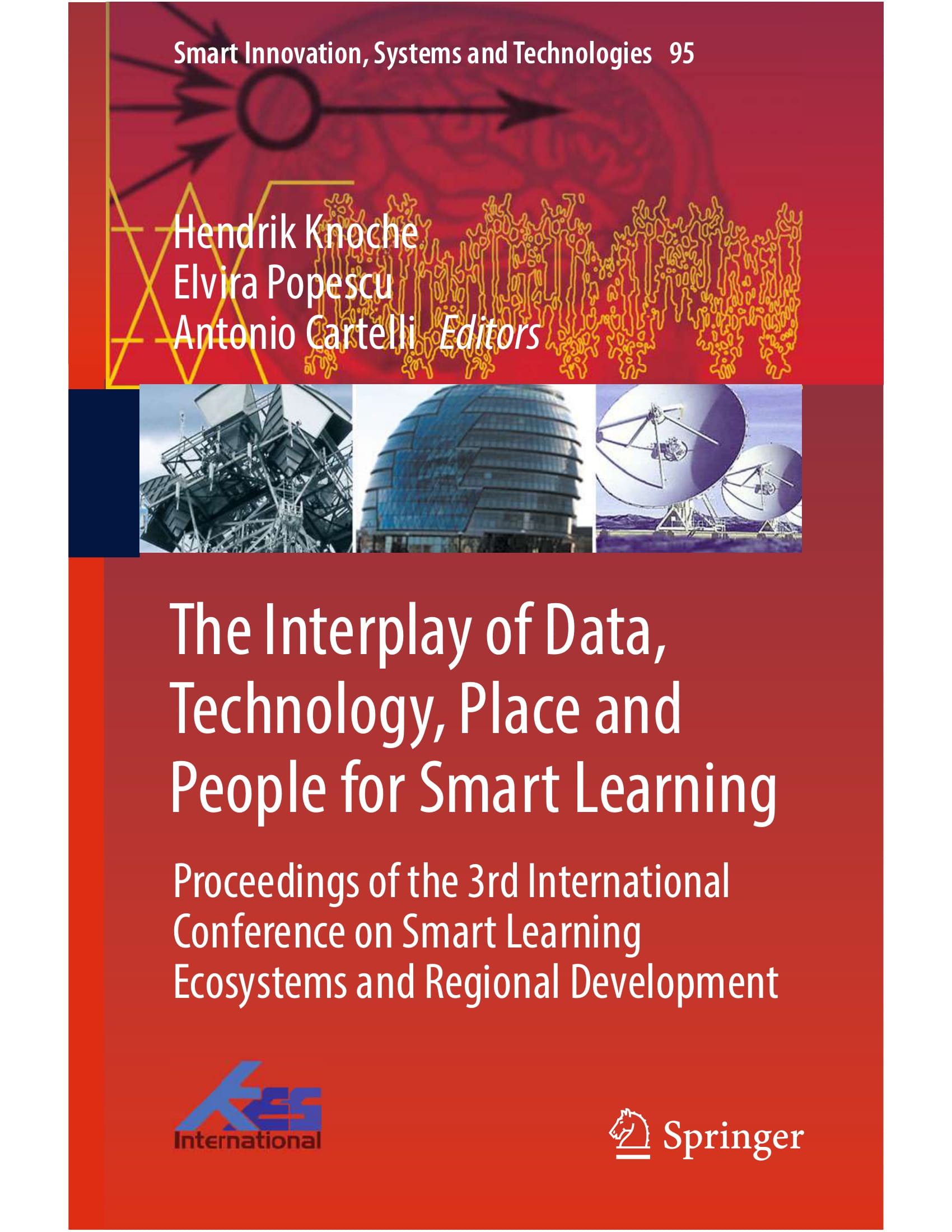
When Smartness of a Participatory Learning Ecosystem Should Not Be Interpreted as Mediation by Technology: Case-Study of Golbaf Town, Iran


چکیده

Abstract: Sustainable development is coined with ongoing social learning processes. As part of a sustainable regional development project in Golbaf town, Iran, development of a participatory community-based learning ecosystem (social learning) was soon found to be a requisite. This in turn was seen to be hampered by lack of social capitals, namely trust, self-confidence and participatoriness. The interim results of the project indicate the followings as a way towards smartness (survivability) of a participatory learning ecosystem in developing contexts where mistrust, inactiveness and lack of confidence prevail: (1) Facilitating rather than doing by conveners, (2) learning by doing by citizens, and (3) gradual trust formation. It also questions suitability and survivability of highly technology-mediated learning ecosystems in such cases characterised by mistrust and lack of confidence.

The results suggest a progressive approach towards mediation of technologies. In fact, above socio-cultural barriers required us to proceed face-to-face for the regeneration of social capital in order to make the newly-born learning ecosystem survivable and embeddable by time.
 

Keywords: Sustainable development Participatory community-based learning ecosystem · Mistrust Lack of self-confidence

دانلود مقاله

برای دانلود مقاله، اینجا کلیک کنید.

Responsive Image

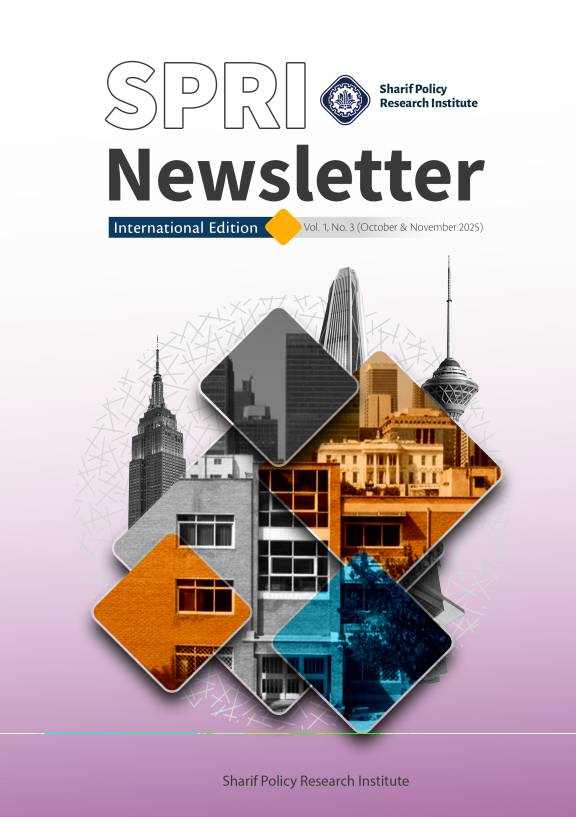
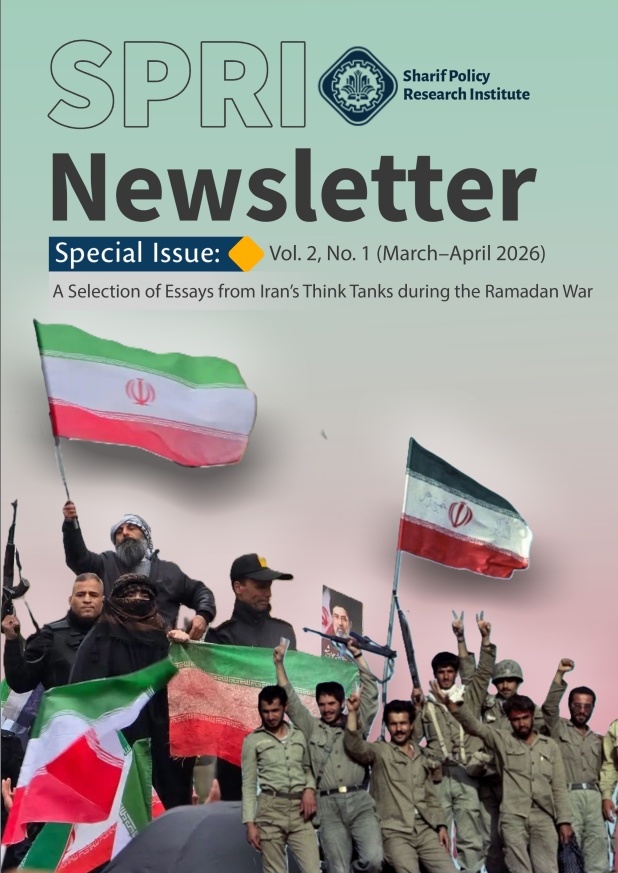
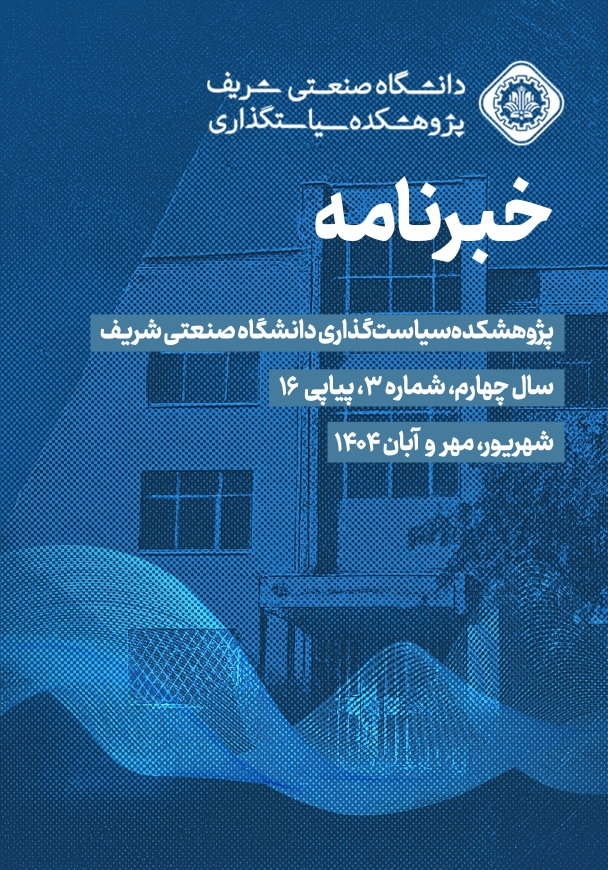
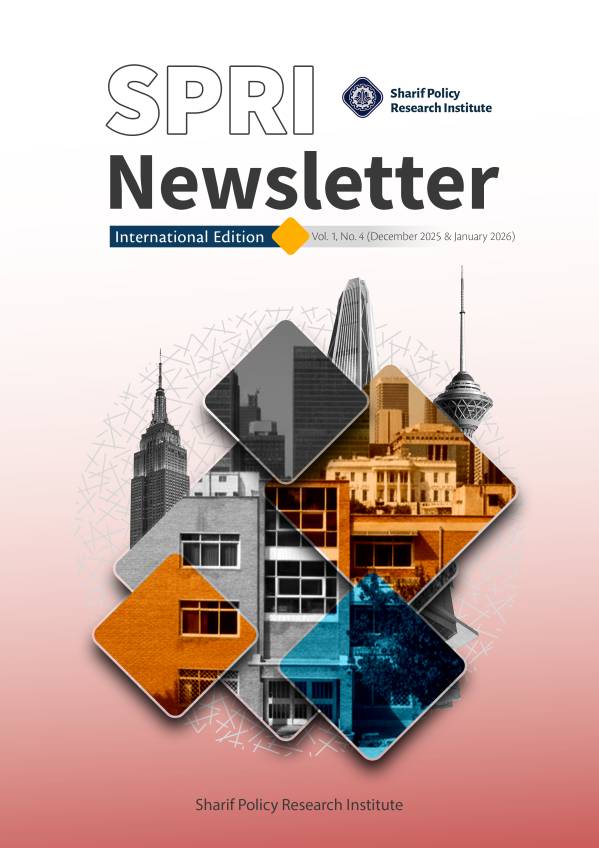
                خبرنامه  پژوهشکده سیاست‌گذاری دانشگاه صنعتی شریف

خبرنامه پژوهشکده سیاست‌گذاری دانشگاه صنعتی شریف شامل آخرین رویدادها، گزارش‌ها، یادداشت‌ها و مقالات است.

 لینک


Responsive Image
Responsive Image
Responsive Image